
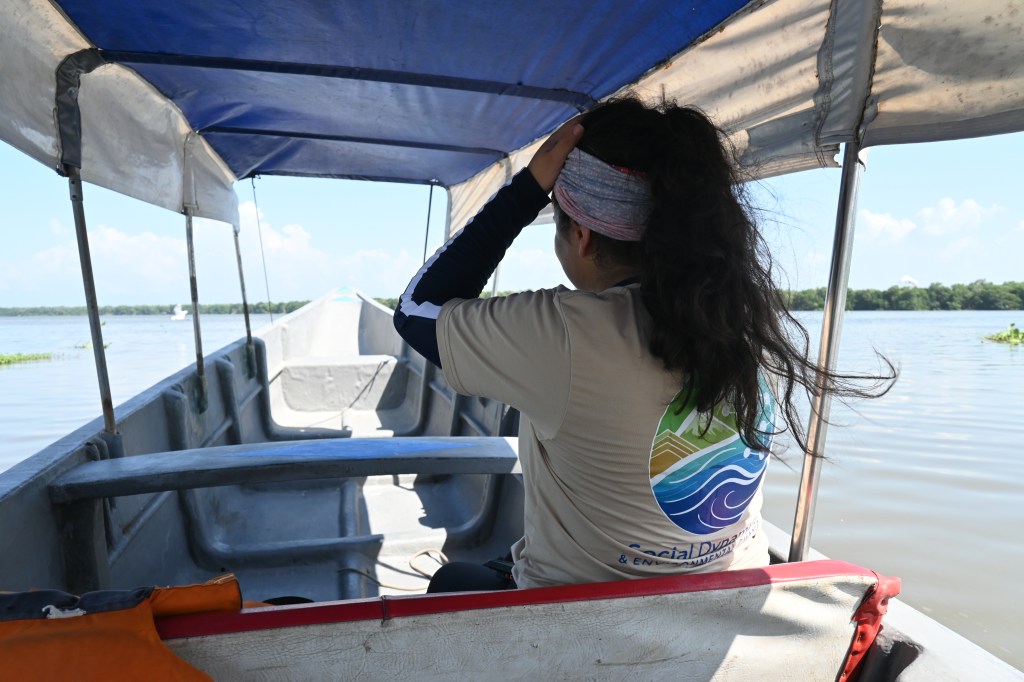
SDEC Lab PhD candidate Luisa Fernanda Bedoya Taborda recently conducted fieldwork in a coastal marsh ecosystem along Colombia’s Caribbean coast. Her research, endorsed as a UN Ocean Decade Action, examines how justice and collaborative networks shape the impacts of climate adaptation responses—including Nature-based Solutions—on social stability and conflict, and how these social dynamics, in turn, influence biodiversity outcomes. Some of the interventions in the region include mangrove restoration and climate-smart agriculture, which provide valuable context for understanding the interaction between environmental and social adaptation dimensions.
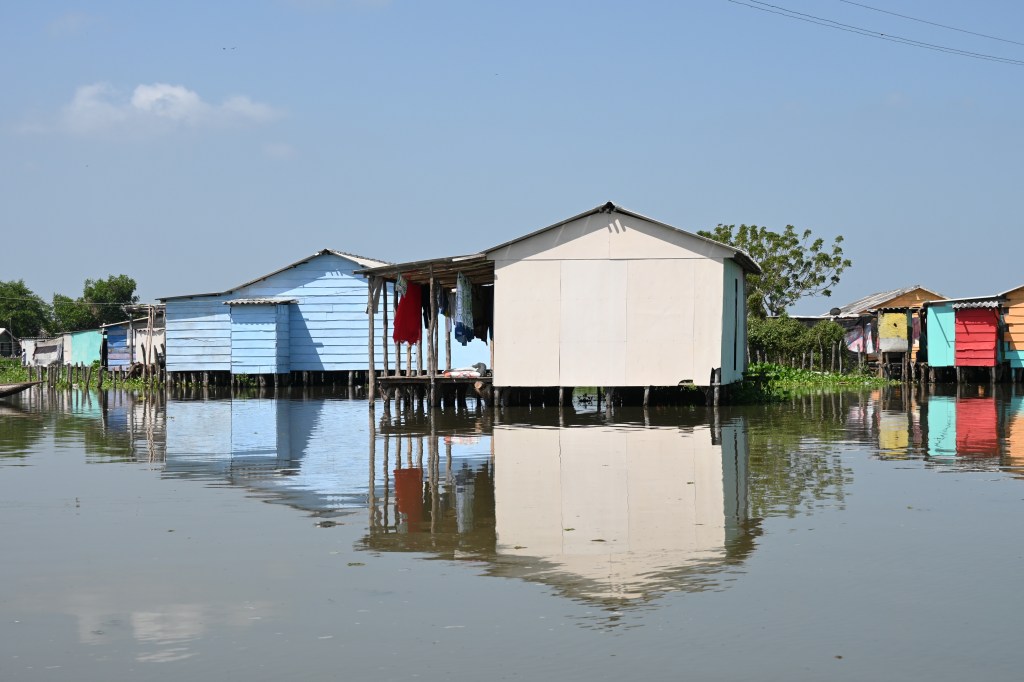
Much of the fieldwork took place on the water: travel between communities often required boats, and in some palafitic (stilt-house) villages even moving from one home to another in a canoe. These communities, living in close relationship with the marsh, revealed not only the social complexity of adaptation responses but also the biodiversity of the wetlands, from mangroves to the wildlife that inhabits these unique aquatic environments.
 Social Dynamics and Environmental Change