
Applications for this PhD position are now closed. Thank you for your interest.
Come join us! We are recruiting a fully funded PhD student at the University of Sydney to join an ARC Discovery Project examining how personal networks shape disaster preparedness and climate resilience.
The project combines large-scale survey data, fieldwork across Australia, and advanced statistical network modelling to understand how personal networks and human-environment relationships influence how communities prepare for and respond to environmental hazards.
The successful candidate will join the Social Dynamics and Environmental Change Lab and work with collaborators at the University of Sydney, Queensland University of Technology, and the University of New South Wales.
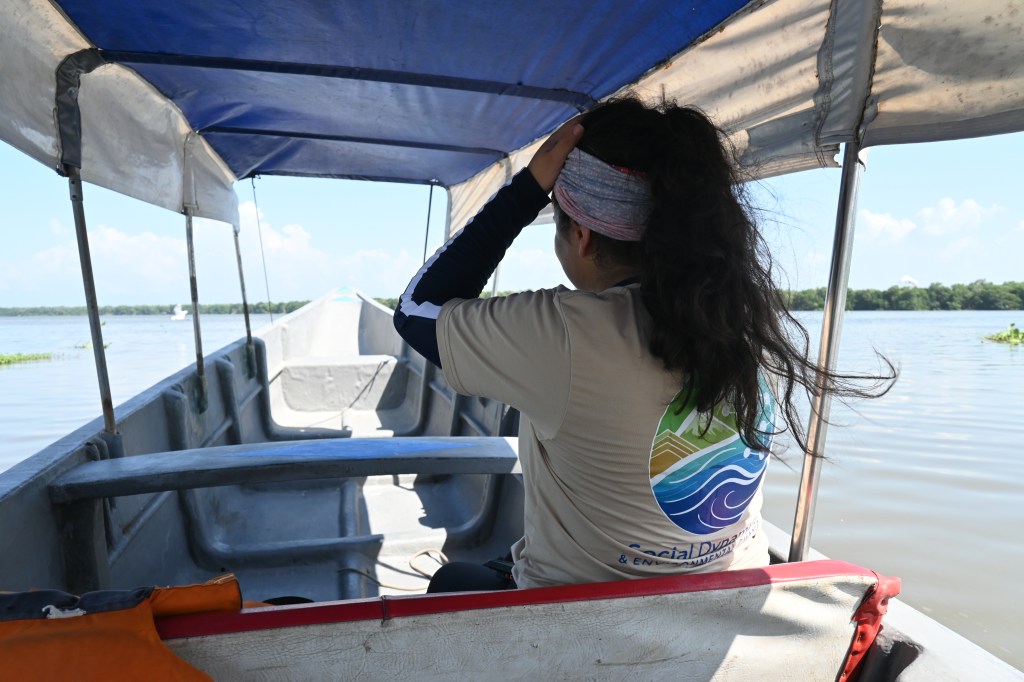
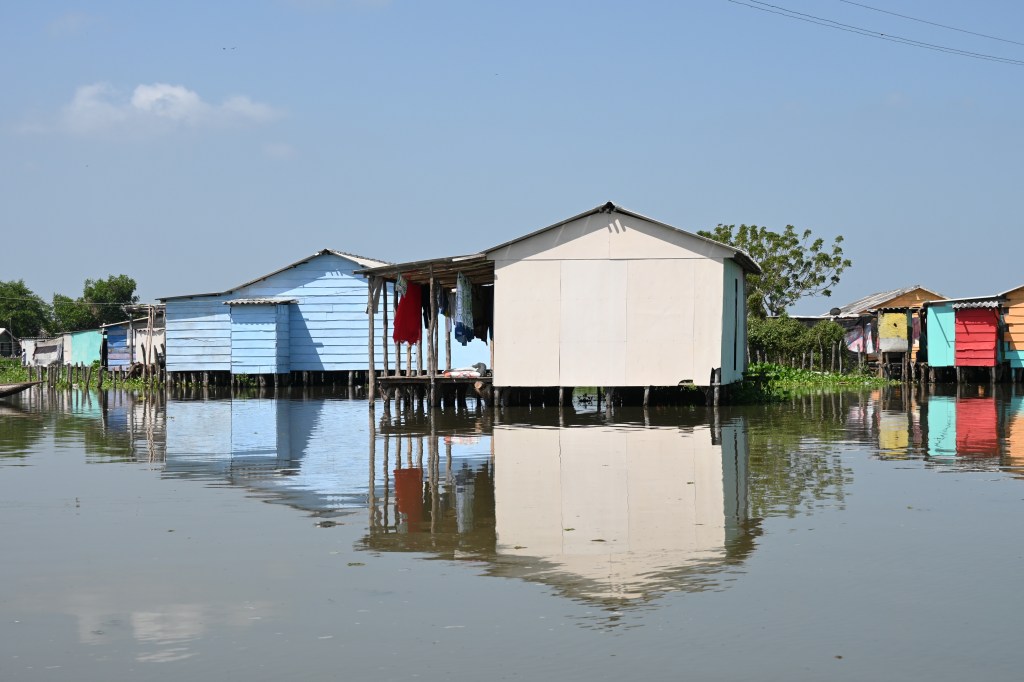
SDEC Lab PhD candidate Luisa Fernanda Bedoya Taborda recently conducted fieldwork in a coastal marsh ecosystem along Colombia’s Caribbean coast. Her research, endorsed as a UN Ocean Decade Action, examines how justice and collaborative networks shape the impacts of climate adaptation responses—including Nature-based Solutions—on social stability and conflict, and how these social dynamics, in turn, influence biodiversity outcomes. Some of the interventions in the region include mangrove restoration and climate-smart agriculture, which provide valuable context for understanding the interaction between environmental and social adaptation dimensions.
Much of the fieldwork took place on the water: travel between communities often required boats, and in some palafitic (stilt-house) villages even moving from one home to another in a canoe. These communities, living in close relationship with the marsh, revealed not only the social complexity of adaptation responses but also the biodiversity of the wetlands, from mangroves to the wildlife that inhabits these unique aquatic environments.
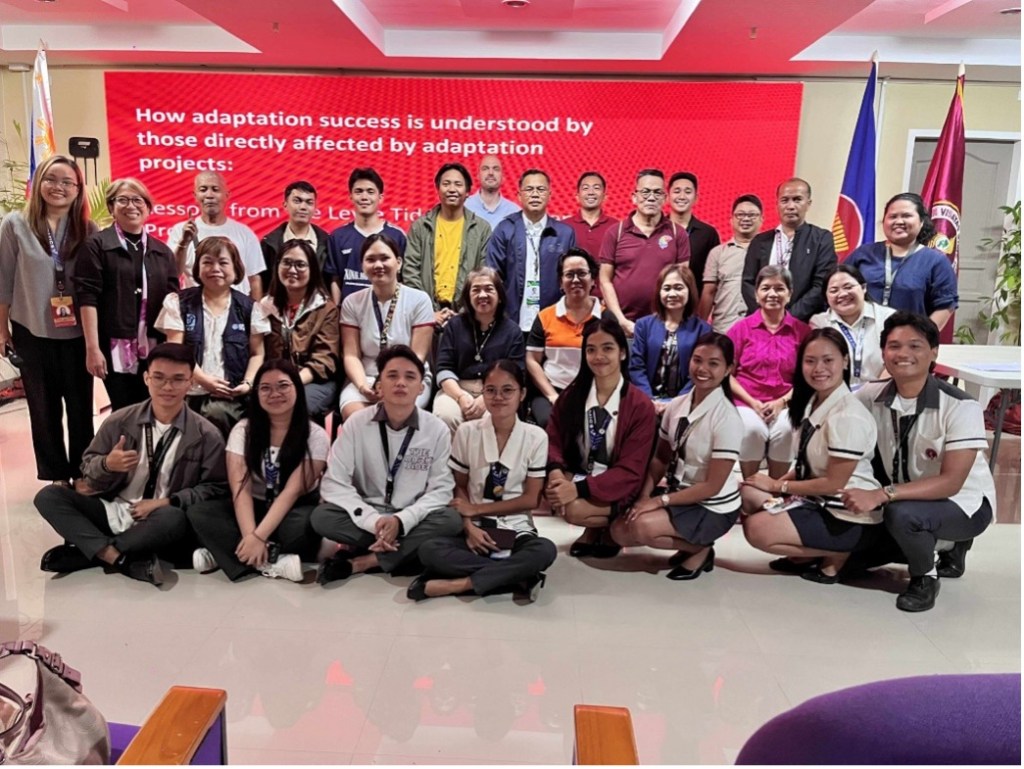
SDEC Lab Postdoctoral Research Fellow Henry Bartelet conducted workshops in Leyte Province, the Philippines, to report and discuss preliminary findings from the Sydney Environment Institute funded research project on “Mapping Social Networks to Understand Disparities in Who Benefits (and Who Loses) from Climate Adaptation Projects.”
This research project developed and applied a novel social network and systems mapping approach to assess how power, influence and access to adaptation resources shape adaptation project outcomes, using a pilot study on the Leyte Tide Embankment Project in the Philippines.
Four reporting workshops were held across three communities where project fieldwork was conducted across the ~40km stretch of the Leyte Tide Embankment: Tacloban, Palo, and Tanauan. These workshops were organized in collaboration with the local research partner: Eastern Visayas State University. Participation and interest in the workshop were overwhelming, with over a total of 80 participants, including fisherfolks, community members, local government officials, regional government agencies, businesses, academics, and NGOs.
Barnes’ research brings a social–ecological systems perspective to understanding how communities and institutions respond to climate risk.
Climate disasters emerge from complex interactions between ecosystems, infrastructure, governance, and social systems, and her work examines how social relationships, institutional arrangements, and ecological dynamics shape adaptive capacity and resilience.
In this role, Barnes aims to foster interdisciplinary collaboration across the University of Sydney and beyond, connecting environmental science, social science, and policy-relevant research. The theme provides a platform to strengthen partnerships and generate actionable insights to support more effective and equitable climate adaptation.
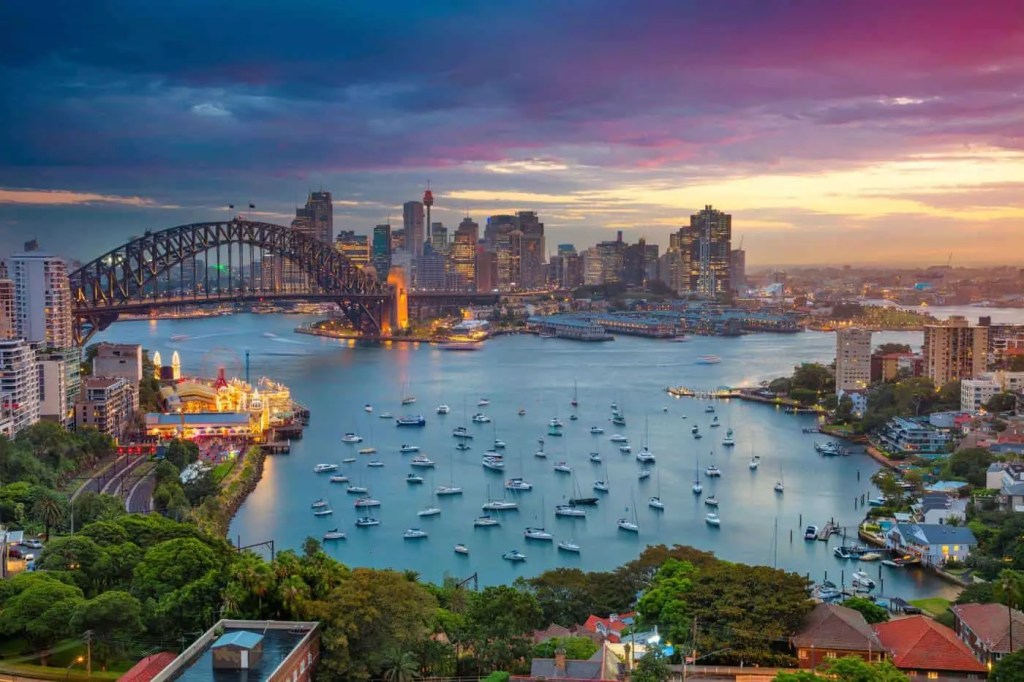
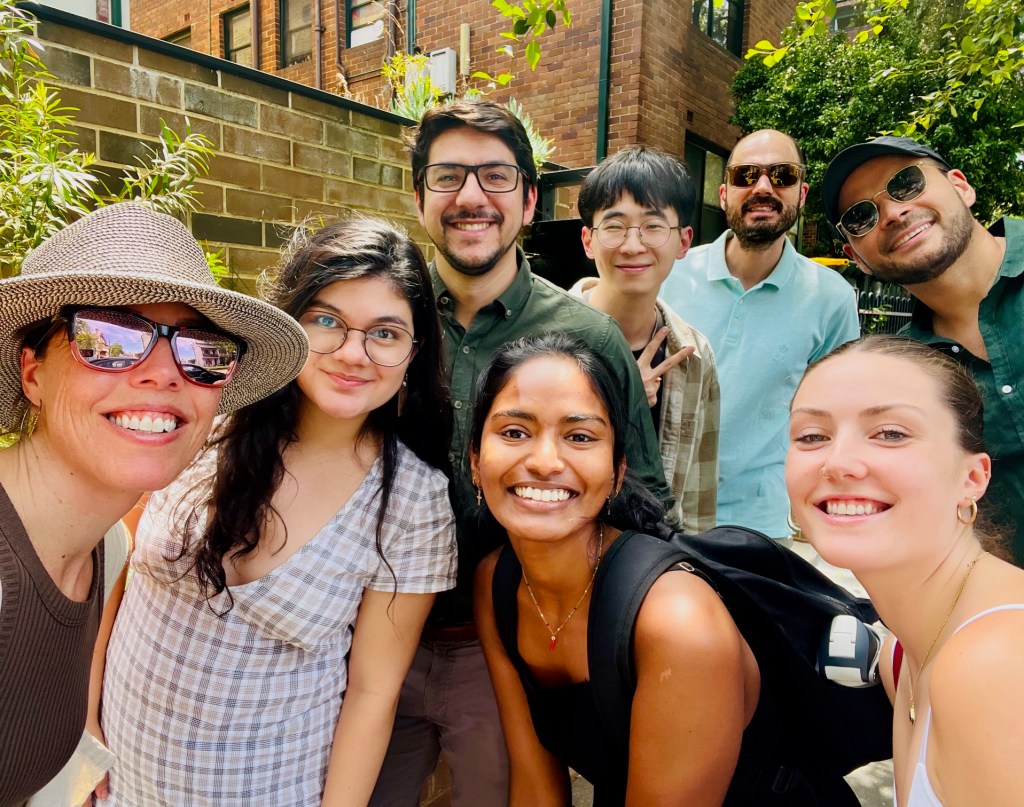
Recently we had the pleasure of hosting Alejandro Espinosa-Rada in the SDEC Lab during his visit to Sydney. Alejandro is an Assistant Professor in Sociology at the Pontifical Catholic University of Chile and a Visiting Professor at KU Leuven. During his visit, we exchanged ideas on multilayer network modeling, group dynamics, and multidisciplinary
collaboration – alongside wide-ranging conversations about Australian and Chilean culture. The visit also included braving a walk in a classic Sydney heatwave for a well-earned lunch (proof in the photo!), reminding us that the best research exchanges often happen both inside and outside the lab. Alejandro is also the co-host of Knitting Networks, a bilingual podcast on social network science endorsed by the International Network for Social Network Analysis. We encourage you to check it out!
Congratulations to Associate Professor Michele Barnes, Director of the Social Dynamics & Environmental Change Lab, on receiving the 2025 Garry Robins Early Career Research Award from the Australian Network for Social Network Analysis.
Presented at ASNAC 2025 in Byron Bay, the award recognises an early- to mid-career scholar for outstanding contributions to the scientific study of social networks and to the Australian social network research community.
Michele received the award in recognition of her research that applies social network methods to investigate how relationships between people and nature shape sustainability outcomes, which has advanced both social network theory and empirical understanding of social–environmental change. In addition to her research contributions, she was recognized for her service as ANSNA President in 2023 and her deep commitment to supporting the next generation of researchers through supervision, mentorship, and collaborative scholarship.
Members of the Social Dynamics & Environmental Change Lab attended the Australian Social Network Analysis Conference (ASNAC 2025) in Byron Bay.
Congratulations to lab members Walter Galdames Opazo (PhD candidate) and Henry Bartelet (postdoctoral researcher),
who both presented early-stage work from their projects and received thoughtful, constructive feedback from the ANSNA community — a particularly brave and valuable step at this stage of their research.
The conference provided an excellent opportunity for the lab to engage with diverse applications of social network research across disciplines, reconnect with colleagues, and strengthen collaborations. As always, the ANSNA community stood out for its warmth, generosity, and collegial spirit.
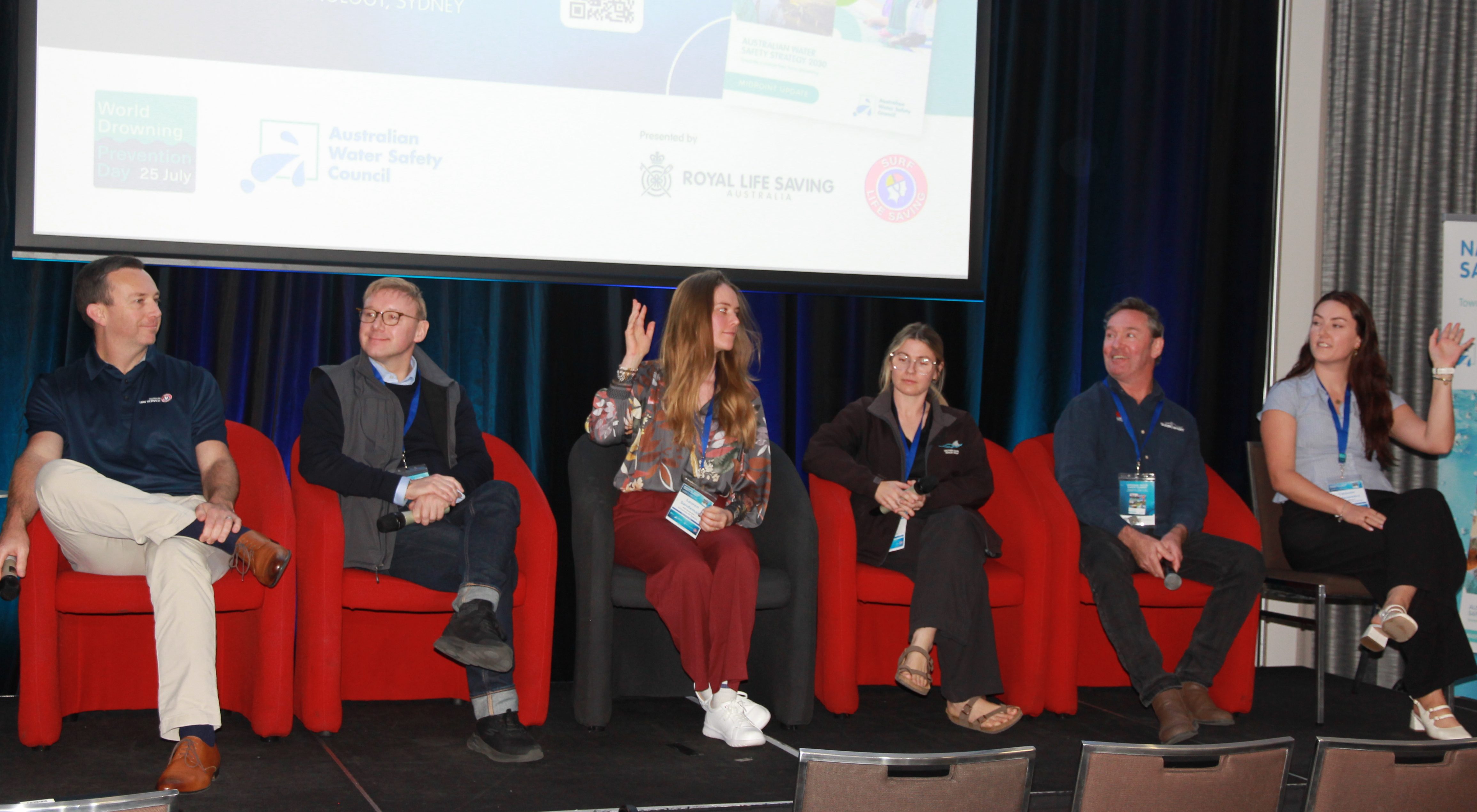
The panel, Beyond People: Adapting with Animals and Environments, brought
together scholars and practitioners to explore how climate adaptation must move beyond business-as-usual approaches toward strategies grounded in care, connection, and right relationship with each other and with Country.
Drawing on her work on social–ecological networks, Michele emphasised that adaptation does not occur within social or ecological domains alone, but in the relationships between them — including collaboration, inclusion, knowledge, and ecological feedbacks — and that these relationships shape whether adaptation succeeds, stalls, or deepens inequities.
Audience engagement highlighted strong interest in relational and systems-based approaches to adaptation planning and practice, which represents an exciting opportunity for impactful research in this space. Stay tuned!
Adaptation projects can reduce climate risk, but their benefits and burdens are not shared equally. Working with partners in Eastern Visayas, the Philippines, our team mapped relationships of power, information, and resources around the Leyte Tide Embankment Project (LTEP) to see who gains, who loses, and why.
Between July and November 2025, we conducted 71 semi‑structured interviews with people who are influential in, or affected by, the embankment as part of a Sydney Environment Institute funded research project. Participants included regional and local government officials, community leaders, NGOs, media, businesses, fisherfolk, residents, and other groups. Each interview contributed to a stakeholder network map that identified who holds influence, how information and resources move, and how different actors perceive harm or benefit from the project. We also asked these same respondents whether they believe the Leyte Tide Embankment Project (LTEP) successfully protects communities from severe typhoons.
In the interviews and network maps, participants commonly perceived the embankment as mainly implemented in a top‑down way, moving from the national level to the infrastructure agency and then to constructors. Local governments were informed and, in some cases, were seen as providing influential input or formal approvals. In contrast, influential input from local communities was rarely mentioned. This points to a general perception that while some local government input was integrated, broader community involvement was limited. A practical implication is to design better ways to gather and integrate feedback from communities so affected groups, including fishers, small firms, and embankment households, have a clearer voice in project design and adjustment, which can strengthen future projects and improve perceived fairness.
We will use these findings to develop practical guidance on mapping influence and benefit pathways in adaptation projects. The method supports decision‑makers to track who is included, who is missed, and how to adjust designs so small firms, fishers, and local communities are not left behind. This work builds on our Sydney Environment Institute Collaborative Grant, which aims to generate a scalable methodology and compare experiences across sites.
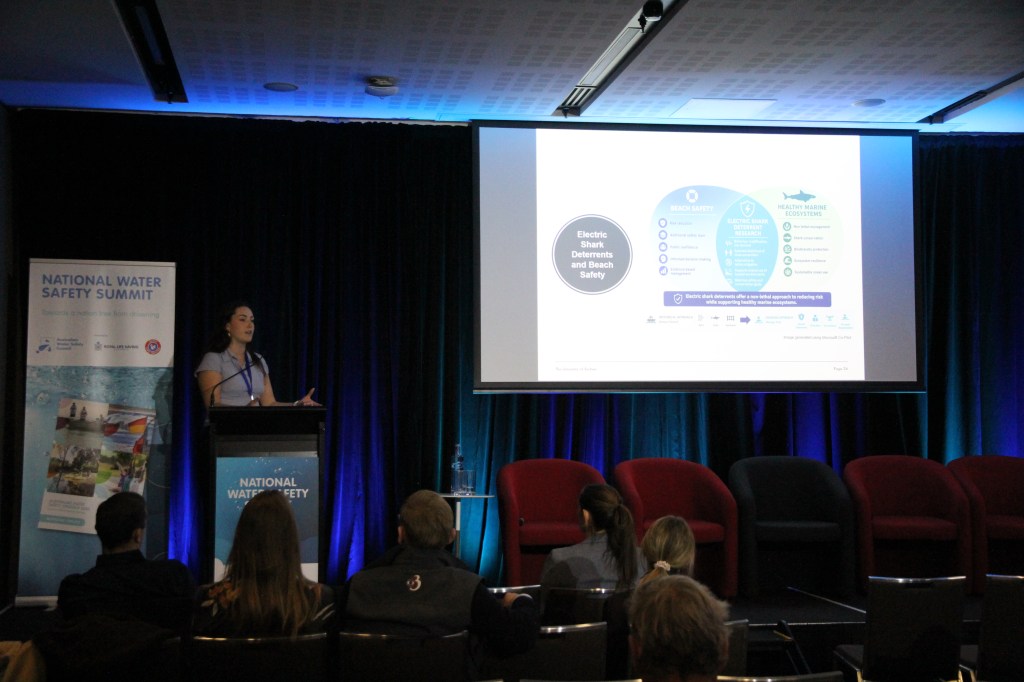
Congratulations to Carmen Dobszewicz, PhD candidate in the Social Dynamics & Environmental Change Lab, who was officially confirmed as a doctoral candidate and received the Best Oral Presentation Award for her proposal presentation. Well done Carmen!
Her project, “Fostering empathy through projects: using human–shark interventions to promote coexistence,” examines how project-based interventions can shape empathy, attitudes, and coexistence between people and sharks. A fantastic milestone and well-deserved recognition.