Michele L Barnes, Associate Professor (CV)
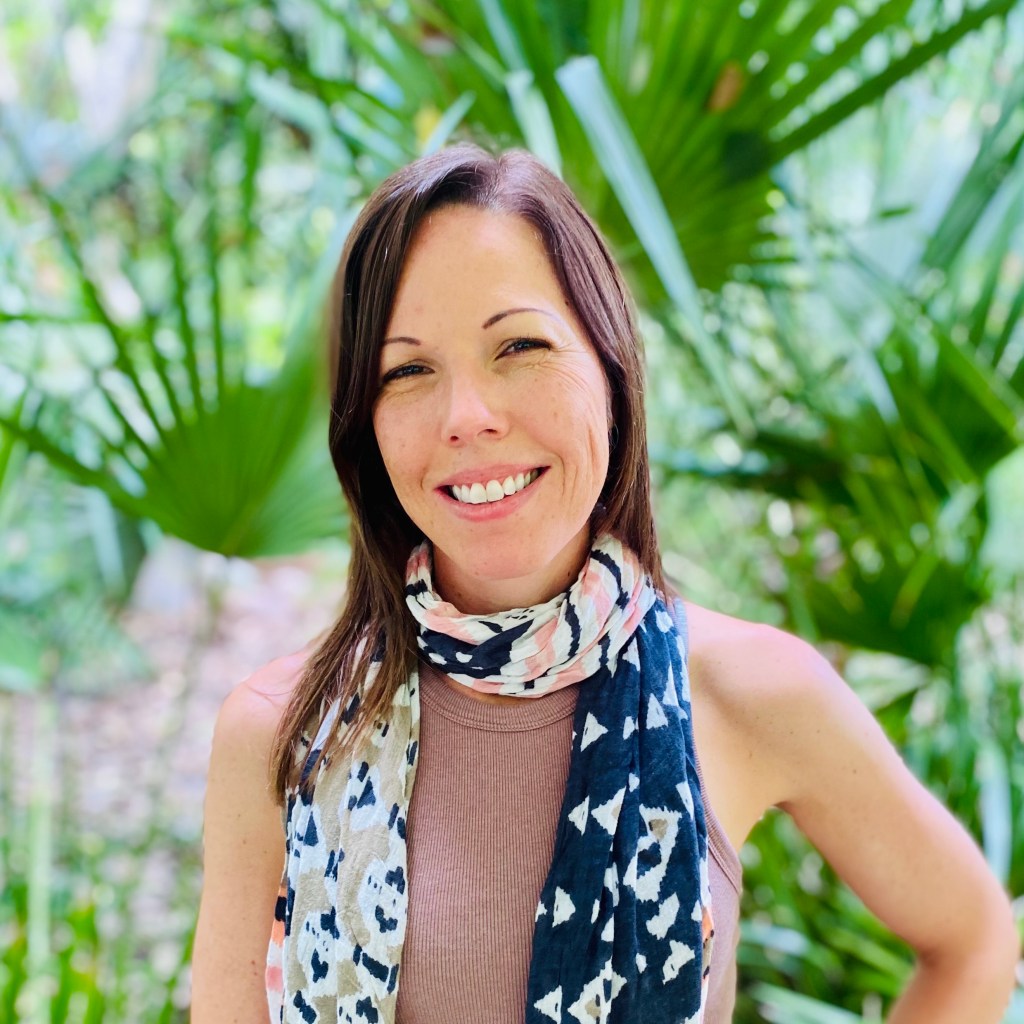
Michele is the Director of the Social Dynamics and Environmental Change Lab and an Associate Professor at the University of Sydney. She is a social network scientist whose work draws on theories and methods from sociology and complex systems science to contribute a better understanding of the relational, social structural foundations of resilience in the context of climate change and other environmental risks. With a strong focus on climate adaptation and marine and coastal systems, her lab’s research explores key issues such as: how social networks scale-up to influence just and sustainable outcomes, how knowledge and practices about climate and the environment spread through society, and how feedbacks between people and nature influence adaptive behaviour and the trajectory of coupled human-natural systems over time.
Michele is a mixed-heritage descendant of the Rumsen Ohlone people and a member of the Ohlone Costanoan Esselen Nation. She grew up in California exploring her ancestral lands with her three sisters along the Monterey Bay coastline, and she has always felt a deep connection to the ocean and a commitment to supporting the communities who value and depend on it. She undertook her postgraduate studies at the University of Hawaii in an interdisciplinary department focused on environmental problem solving. Her PhD dissertation blended social network science, sociology, economics, and environmental science to shed light on the social behaviour of resource users in a complex ‘social-ecological system’ – an interdependent, relational system comprised of both people and nature. After obtaining her PhD in 2015, Michele was awarded a U.S. National Science Foundation Postdoctoral Research Fellowship to develop and apply an integrative social-ecological network modelling framework to capture complex linkages between people and nature (2015 – 2018; ~AUD $208,500). She executed this project as a visiting fellow at the ARC Centre of Excellence for Coral Reef Studies at James Cook University in Australia. In 2018, Michele was awarded an early career research fellowship (DECRA) from the Australian Research Council to study how social networks and power shape adaptive and transformative responses to climate change (2019 – 2022; AUD $370,000). In 2021, she was recognised with the Paul Bourke Award from the Academy of Social Sciences in Australia for her research on social networks and the environment. In 2024, Michele joined USYD to work with the Sydney Environment Institute and colleagues in the School of Project Management to complement their growing focus on Projects for Resilience, Sustainability, and Social Justice.
Michele is deeply interested in contributing actionable insights to support just climate adaptation and transformation, and is obsessed with all things related to social networks. She served as president for the Australian Network for Social Network Analysis in 2023 and was a member of the Board of Directors for the International Network for Social Network Analysis (INSNA) from 2023-2025. In 2022 she served on the organising committee for the INSNA Sunbelt Conference, where she co-led the development of a Special Theme focused on Social Networks, Disaster Recovery, and Environmental Governance in the Context of Climate Change. Michele was a member of the Expert Working Group that developed a National Strategy for Just Adaptation in Australia (with Future Earth Australia and the Australian Academy of Sciences). She currently serves on the Expert Editorial Board for the Resilience Science Must-Knows initiative – a collaboration between the Stockholm Resilience Centre, the Global Resilience Partnership, and Future Earth that incorporates perspectives from a range of resilience fields to identify overarching, essential, and relevant Resilience Science Must-Knows for decision-makers. Michele previously co-founded the Justice, Equity, Diversity, and Inclusion Committee at the ARC Centre of Excellence for Coral Reef Studies in 2020, and served as co-chair of this committee until the end of the centre in 2023. Michele is also an editor of Ecology and Society, serves on the editorial advisory board of Cell Reports Sustainability, and serves as a guest editor for Proceedings of the National Academy of Sciences.
When she is not at work, Michele is usually spending time with her two young children and partner. Their main activities include dance parties, building sand castles and forts, swimming, surfing, learning about sea creatures and climate change, and having as much fun as possible exploring the natural world.
Lab Members
Henry Bartelet (Postdoctoral Research Fellow)
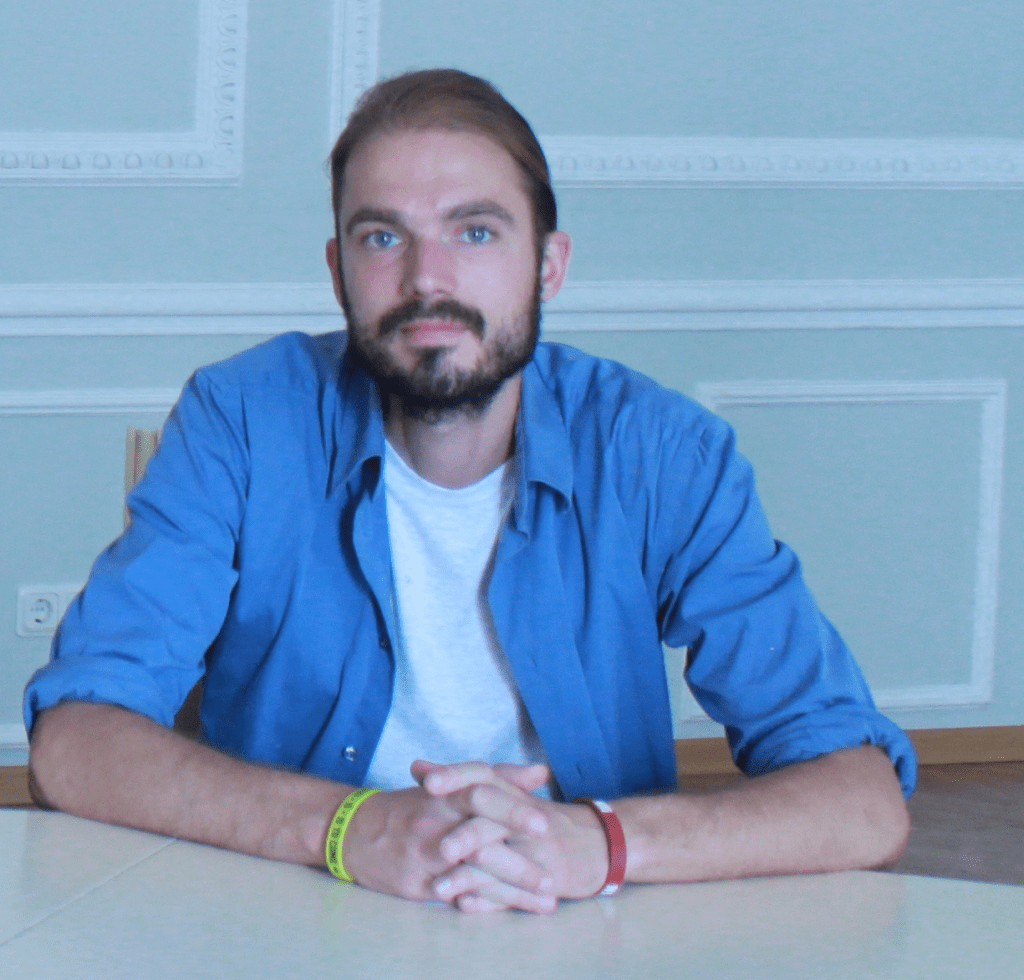
Henry is a postdoctoral research fellow at the University of Sydney focused on social-ecological dynamics, and how complex system structures shape adaptation project outcomes. He is currently analyzing longitudinal data from coastal communities in Kenya to explore trade-offs and co-benefits of sustainability interventions in the context of climate change. He is also leading a pilot study in the Philippines to test a novel method for capturing how resource and knowledge sharing structures underpin outcomes in adaptation interventions. Henry completed his PhD at James Cook University in 2023, where he investigated theories of adaptive capacity and resilience, focusing on how microeconomic actors respond to climate and other shocks (e.g. COVID-19) in the Great Barrier Reef region and other Pacific communities.

Luisa Bedoya Taborda (PhD candidate)
Luisa is a PhD student at the University of Sydney where she studies climate change adaptation and violent conflict. Her work focuses on how justice and collaborative networks influence the impact of adaptation responses, such as Nature-based Solutions, on social stability/conflict – and how these dynamics in turn impact biodiversity outcomes. Luisa is from Colombia, South America. She holds a Bachelor of Laws, a Postgraduate Diploma in Environmental Law, and previously worked with the Interamerican Association for Environmental Defense in the Marine Biodiversity and Coastal Protection Program. She also worked in the Land Restitution Unit, where she represented victims of armed conflict. Luisa’s Master’s thesis developed a framework to integrate climate adaptation and peacebuilding and support synergistic action to address the cumulative impacts of climate change and violent conflict.

Carmen Dobszewicz (PhD Student)
Carmen is a PhD student at the University of Sydney focusing on human-shark interactions and the role interventions can play in promoting coexistence. Carmen is from Toronto, Canada. She holds an undergraduate degree in biology from McMaster University in Hamilton, Canada. She also completed a Master’s degree at James Cook University in Townsville, Australia. Her master’s thesis investigated the impacts of climate change on sharks utilising epaulette sharks as a model species under the supervision of Prof Jodie Rummer. With a background in shark physiology, Carmen is taking an interdisciplinary approach to her doctoral thesis to meaningfully contribute to the field of human-shark interactions and their current mitigation measures.

Walter Galdames (PhD candidate)
Walter is a PhD student at the University of Sydney, researching the long-term impacts of projects on sustainability in communities and their environments. He holds a Bachelor of Physics Education with Honours and a master’s degree in physics with a focus on complex systems from the University of Concepción, Chile. His doctoral research applies systemic and network-based approaches to understand how interventions influence social-ecological resilience and sustainability trajectories. Previously, he worked in environmental and science education and has collaborated with research groups in Chile on issues such as invasive species management and political polarisation using network analysis.

Charel Rocío González Salinas (PhD Student – external)
Charel is a PhD student at the Universidad Católica del Norte and the Coastal Social-Ecological Millennium Institute (SECOS) in Chile. Her research is part of the FONDECYT project 1231579, supervised by Pilar Haye and Stefan Gelcich, with A/Prof Barnes serving as an external supervisor. Charel’s doctoral work investigates scale mismatches between ecological and social connectivity in TURF systems (Territorial Use Rights for Fisheries) in north-central Chile. She holds a Bachelor’s in Marine Biology and a Master’s in Marine Ecology, where she focused on population genetics in marine invertebrates. Her current research builds on this foundation, combining molecular tools with social-ecological network approaches to address the complex, interdisciplinary challenges of small-scale fisheries management.
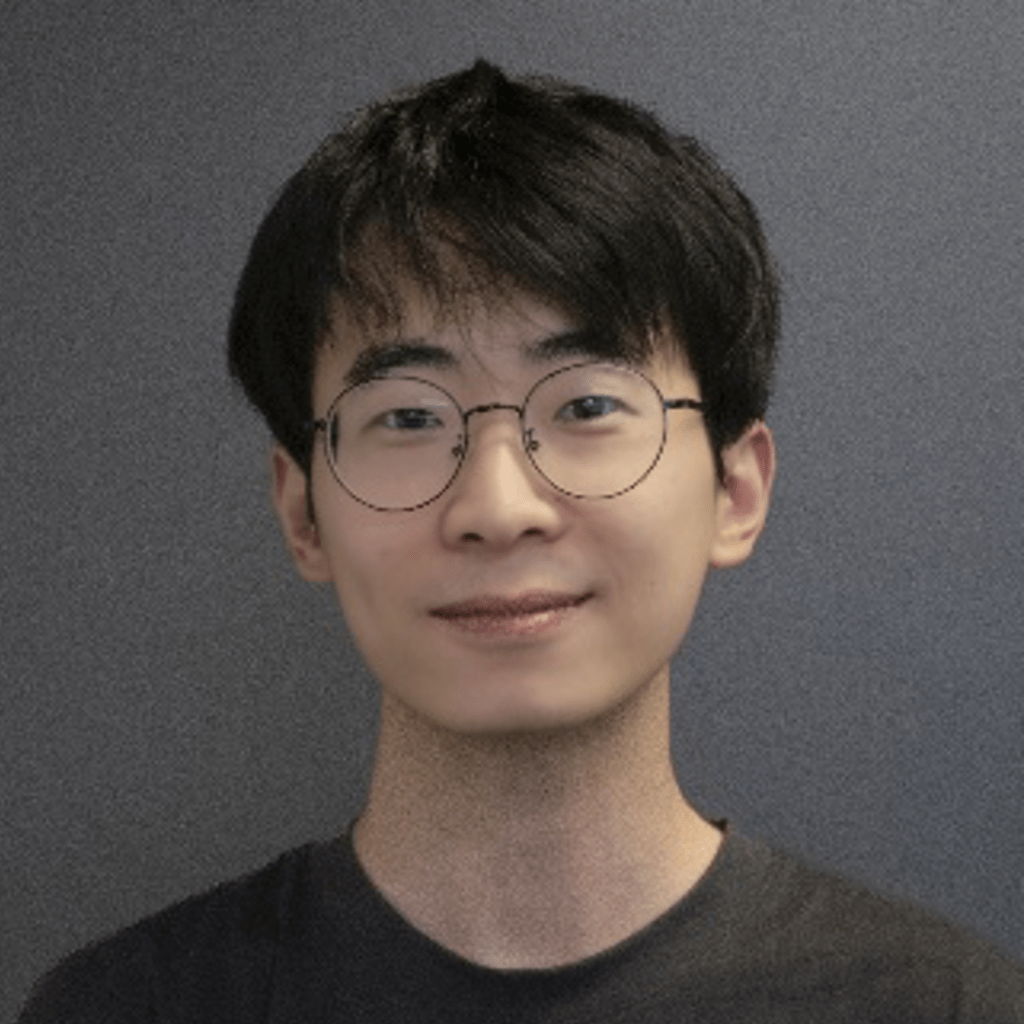
Xuanqi Li (PhD Student)
Xuanqi is a PhD student at the University of Sydney, researching policy–project gaps in the context of energy transitions. He is from Sichuan, China, and holds a Bachelor’s degree in Civil Engineering from Hefei University of Technology and a Master’s degree in Construction Management from Xiamen University. His doctoral research, supervised by Sujuan Zhang with A/Prof Barnes serving as a co-supervisor, is exploring how projects can act as critical interfaces between policy ambition and implementation, and how improved policy–project alignment can accelerate progress towards a net-zero future.

Sophie Robinson (PhD Student – external)
Sophie Robinson is a PhD student at the Melbourne School of Population and Health and works at the Centre for Sustainability and Business. Her research focuses on climate change, health, social-ecological systems and governance, and is supervised by Kathryn Bowen and Glenn Hoetker, with A/Prof Barnes serving as an external supervisor. Sophie’s doctoral work explores the role of governance in the climate-resilient development of healthcare systems and aims to identify particular governance structures, mechanisms and attributes that enhance adaptive and transformative capacities of healthcare systems and enables climate-resilient development.
Previous Lab Members
Sophie Robinson (PhD Student, external, 2026)
Sophie conducted her PhD at the University of Melbourne where she was supervised by Kathryn Bowen and Glenn Hoetker, with A/Prof Barnes serving as an external supervisor. Her research focused on climate change, health, social-ecological systems, and governance. Specifically, she explored the role of governance in climate-resilient development of healthcare systems by identifying governance structures, mechanisms, and attributes that enhance adaptive and transformative capacities of healthcare systems in the context of climate change. Upon submitting her thesis, she accepted a postdoctoral research position at the Australian National University.
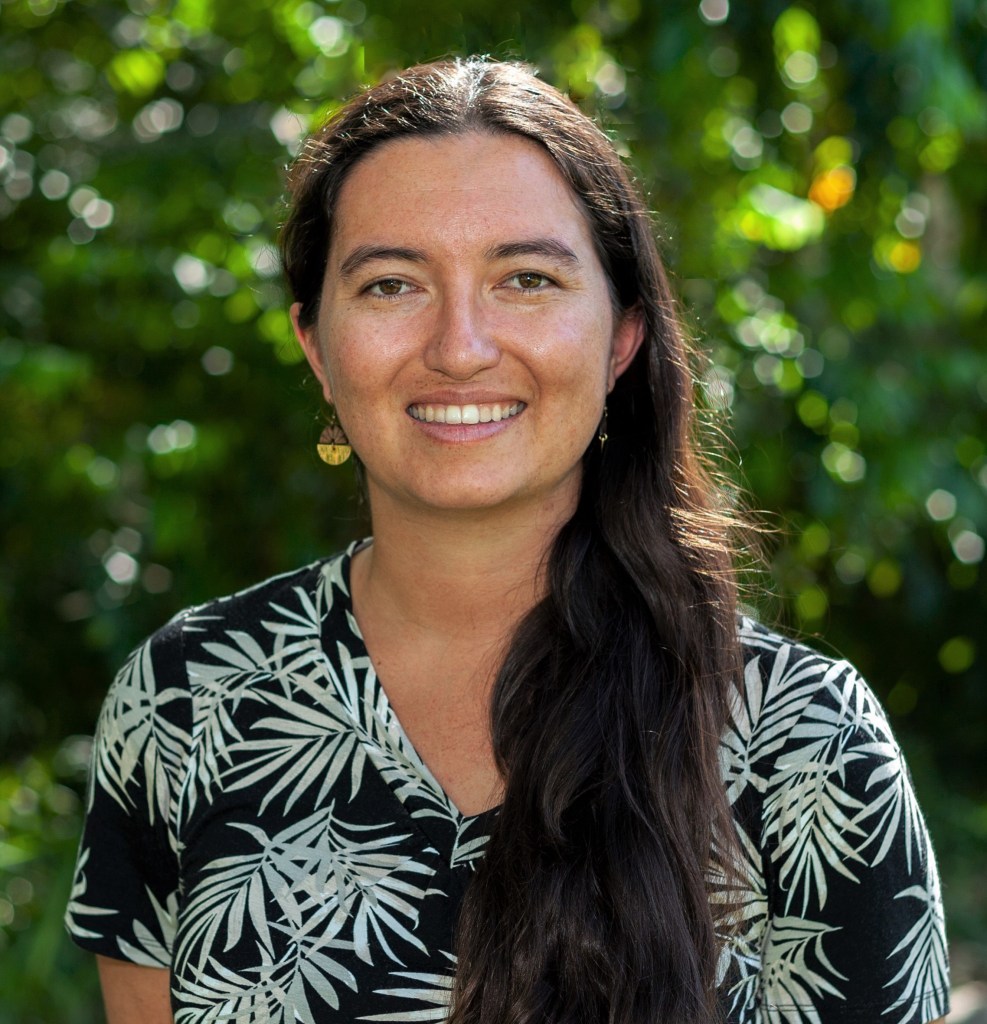
Amber Datta (PhD, 2023)
Amber grew up in Hawai’i with a passion for the ocean and the communities that depend on it. Her PhD focused on governance of the Great Barrier Reef after mass coral bleaching. She previously held a B.A. in Environmental Analysis (Biology focus) from Pomona College and an M.S. in Resource Conservation from the University of Montana (UM). She also completed a certificate in Natural Resource Conflict Resolution at UM. Amber was a cotutelle PhD student at JCU and UM. Her PhD thesis contributed to our understanding of how to improve governance of rapidly changing coral reefs. Upon submitting her PhD thesis, Amber accepted a prestigious Smith Fellowship from the Society for Conservation Biology.

Sarah Sutcliffe (PhD, 2023)
Sarah completed her PhD at James Cook University, previously the Australian Research Council Centre of Excellence for Coral Reef Studies, in 2023. Her research primarily focused on improving food security, livelihoods and wellbeing in small-scale fishing communities in the face of social and environmental shocks, including COVID-19 and climate change. Sarah’s research is interdisciplinary: she works closely with both social and natural scientists, drawing on food systems theory, social network analysis and adaptation theory. Upon graduating with her PhD, Sarah accepted a Research Associate position at the Global Development Institute, University of Manchester.

Henry Bartelet (PhD, 2023)
Henry was a doctoral student at James Cook University in Australia, where he worked, under the supervision of Graeme Cumming and Michele Barnes, on quantifying the socio-economic resilience of the Great Barrier Reef region and other Pacific communities that are economically dependent on coral reefs. He previously held a Bachelor in Economics and a Joint European Master Degree in System Dynamics. After his master degree, Henry worked for two years as an energy system modeler at DNV in Norway, in a research program to forecast the energy transition towards 2050. Henry now holds a Research Associate position at the University of Sydney.

Lucy Homes McHugh (PhD, 2023)
Lucy is an interdisciplinary social scientist, specialising in sustainability, public policy, governance, and climate change. Her PhD research contributed to our understanding of how social systems navigate climate risk and crisis across scales, with a focus on UNESCO’s World Heritage system and the Great Barrier Reef. She previously worked at the Centre for International Forestry Research in Indonesia in science communications. She has a Master’s in Development Practice and a Master’s in Public Policy. During part of her PhD tenure, she resided in the USA at the University of Michigan on a Fulbright scholarship. Upon graduating with her PhD, Lucy accepted a postdoctoral researcher position at the University of Melbourne.

Emmanuel Mbaru (PhD, 2019)
Dr. Mbaru obtained his PhD in Marine Science from James Cook University, Australia in 2019. His research focused on the diffusion of gated traps, a conservation technology, through networks of coastal fishers in Kenya, and the impacts of this technology innovation on both people (wellbeing) and ecosystems (fisheries functional diversity). Dr. Mbaru now works as a senior scientist at the Kenya Marine and Fisheries Research Institute (KMFRI) and previously completed an AXA Postdoctoral research fellowship based at Lancaster University, UK. He focuses on interdisciplinary research topics that examine the vulnerability of coastal communities and ecosystems to environmental change. His interests are embedded in the emerging concepts in network science and fisheries ecology to better understand how and why conservation goes to scale.
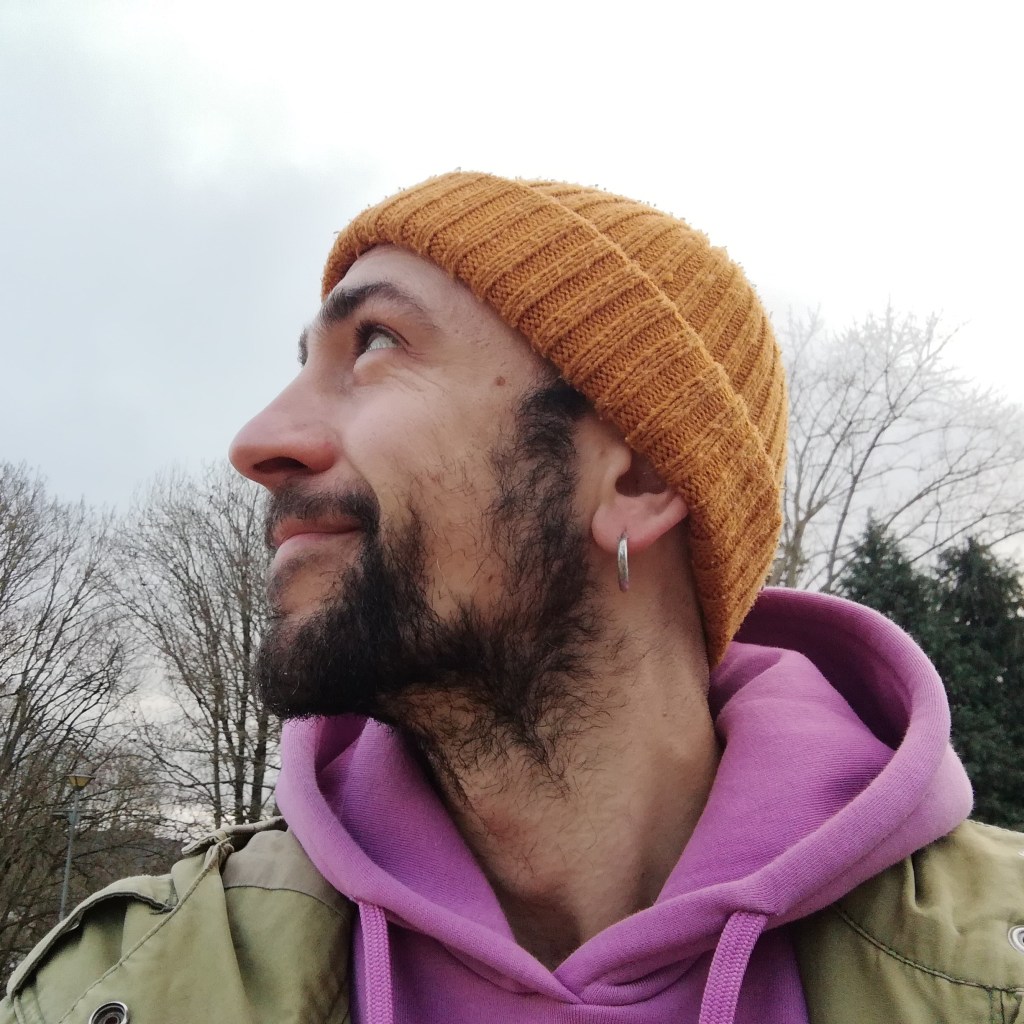
Diego Salgueiro Otero (Visiting Fellow, 2019)
As a marine interdisciplinary scientist with research experience in MPAs and Ocean Health Index operationalisation, Diego obtained his PhD in Small-scale fisheries (SSF) adaptation to climate change (University of Vigo, 2022). Developing theoretical, conceptual, and empirical work applying a network perspective, his doctoral research (1) operationalised SSF frameworks worldwide, (2) introduced a novel Adaptation Framework for marine social-ecological systems, and (3) identified drivers and constraints of SSF resilience. Interested in social-ecological justice, Diego’s work focuses on the intersection between SSF communities, science and policy, and producing bottom-up climate change adaptation while lifting the voices of coastal communities.

Francis Commercon (Fulbright Scholar, 2018)
Francis joined the Social Dynamics and the Environment Lab while working as a Fulbright student researcher at Xishuangbanna Tropical Botanical Gardens. His research examined social network predictors of wild meat consumption in southwest China. Specifically, he was interested in how social sharing of wild meat shaped behaviors, attitudes, and norms about wildlife consumption. Subsequently as a Masters student at Yale School of the Environment, his research examined environmental knowledge making and policy outcomes for migratory shorebirds in the East Asian Australasian Flyway. He is passionate about the social processes that construct how people know about and conserve resilient socio-ecological systems, and is now conducting his PhD at UC Berkeley.
Prospective Students and Post-Docs
If you are interested in climate adaptation or transformation projects, social networks and environmental change, how social-ecological dynamics underpin individual or community resilience, or any combination of the above, we would love for you to join us! The first step is to get in touch by emailing me a CV and short statement of research interests (<1 page).
 Social Dynamics and Environmental Change